
October 7, 2026 · 5 min read
Your Final Walk-Through in October: Test the Heat Before You Sign
An October closing is the first real test of a New England heating system. What to check at the final walk-through, and what to do if something is wrong.
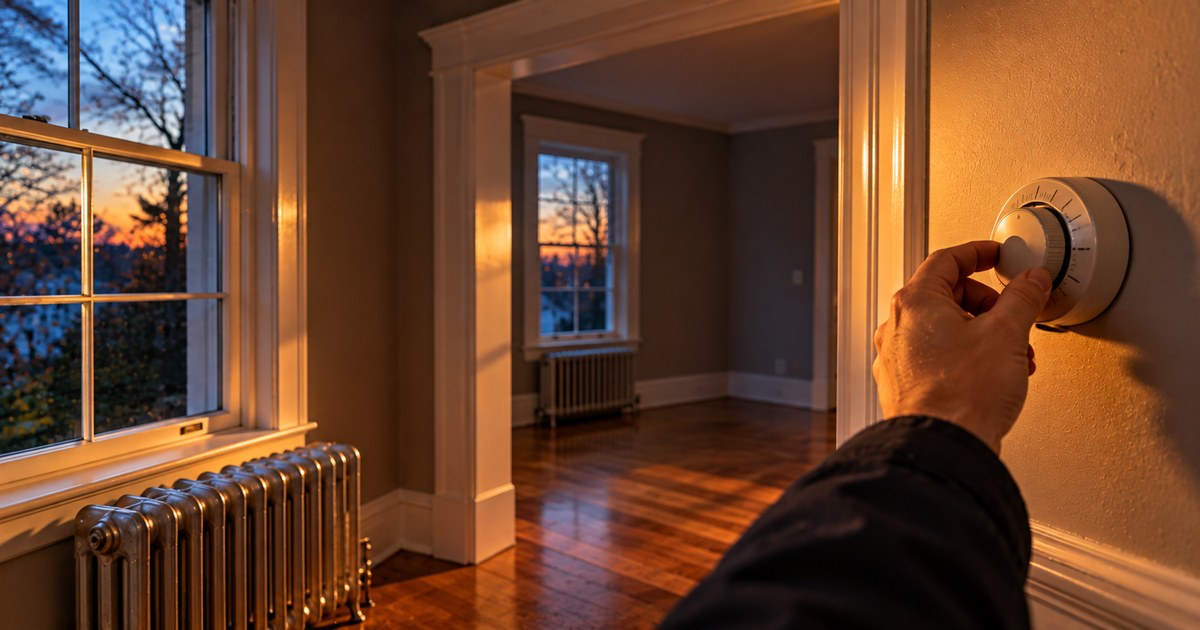
The final walk-through is the step buyers rush. It happens the morning of closing, everyone is tired, the movers are booked, and nobody wants to find a problem. That is exactly why it matters. A walk-through is not a second home inspection. It is your verification that the property is in the condition you agreed to buy, that the repairs you negotiated were actually done, and that what was supposed to stay is still there. Most purchase and sale agreements give you the right to do it within 24 hours before closing, and once you sign, your leverage is gone.
In New England, an October walk-through carries one extra job that a June walk-through does not. The heating system has been idle since spring, and your closing may be the first time anyone asks it to run. A boiler that sat all summer, a furnace with a cracked igniter, a zone valve that will not open, an oil tank somebody drained on the way out: none of these show up on a 72 degree afternoon. Turn the thermostat up, give it fifteen minutes, and put your hand on every radiator and register in the house. Do the same with the water heater. Finding a dead zone on walk-through day is a negotiation. Finding it on the first cold night in November is a repair bill with your name on it.
The market makes this more likely, not less. Homes across the region are sitting longer than they did in the spring. Realtor.com data published through the Federal Reserve Bank of St. Louis puts Rhode Island's median days on market at 38 in September 2026, up from 31 in June, and 2.7% higher than a year earlier, which is the first year over year increase after three straight months of declines. Massachusetts was at 51 days in August 2026, up from 29 in May. Longer listings mean more homes are already vacant at closing, sometimes with utilities reduced or shut off and nobody around to notice a leak, a tripped breaker or a furnace that quit three weeks ago. Walk the basement, especially after rain. Run water at every fixture, flush every toilet, test the GFCI outlets, open the garage door, and confirm you are getting every key, opener and alarm code.
If something is wrong, say so before you sign, not after. Depending on your contract, the usual remedies are an escrow holdback that funds the repair, a seller credit applied at closing, or pushing the closing date until the work is done. Which of those is available to you is a question for your contract and your closing attorney, not for a blog post, and Rhode Island, Massachusetts and Connecticut closings all typically involve attorneys who can tell you in ten minutes. Bring the inspection report and the repair addendum with you, ask for receipts and permits on anything that was supposed to be fixed, and photograph whatever you find. In a market where sellers are waiting over a month for a buyer, the request to make it right is a reasonable one.
Frequently asked questions
What is a final walk-through?
A final walk-through is the buyer's last visit to the property before closing. Its purpose is to confirm the home is in substantially the same condition it was in when the offer was accepted, that agreed repairs were completed, and that included fixtures and appliances are still present and working. It is not an opportunity to renegotiate price over conditions you already knew about.
When does the final walk-through happen?
Most contracts schedule it within 24 hours of closing, and in practice it is often the morning of. Ask for it as late as your contract allows, because the point is to see the property in the state you will receive it, ideally after the sellers and their belongings are gone.
What should I check at a fall or winter walk-through?
Run the heat and verify every room gets warm, which can take fifteen minutes or more in a cold house. If the home has oil or propane, check the tank gauge and confirm with your attorney how remaining fuel is being handled at closing. Check for a working water heater, look for signs of water in the basement, and make sure outdoor spigots were shut off and drained so you do not inherit a burst pipe.
What happens if something is broken at the final walk-through?
Tell your agent and your attorney immediately, before closing documents are signed. Common resolutions are an escrow holdback, a credit to the buyer at closing, or a short delay while the seller completes the work. Your specific options depend on the language in your purchase and sale agreement and on state practice, so get advice on your own contract rather than relying on a general rule.
Can I back out after the final walk-through?
Sometimes, but it depends entirely on your contract. Walking away over a problem discovered at walk-through usually turns on whether a contingency is still open or whether the seller has failed to deliver the property in the required condition. This is a legal question with real deposit money attached, and it is one to put to your attorney the same day.
Sources
- Realtor.com residential listing data, median days on market for Rhode Island and Massachusetts, published via the Federal Reserve Bank of St. Louis